October 30, 2026
Electrical outlets are essential to the daily operations of commercial buildings, but they can also present serious safety concerns when neglected. From offices and retail stores to warehouses and other commercial facilities, properly functioning outlets support equipment, lighting, and workplace productivity. Regular electrical outlet inspections help identify potential hazards, improve reliability, and prevent unexpected disruptions.
At Buttner Electric LLC, we understand the importance of maintaining safe, dependable electrical systems. As property owners evaluate commercial electrician companies, understanding the benefits of professional outlet inspections can help them make informed maintenance decisions. Here are six reasons regular inspections should be a priority for commercial properties.
1. Identifying Electrical Hazards
Preventing Electrical Fires
Damaged or improperly installed outlets can create dangerous conditions. According to the U.S. Consumer Product Safety Commission, electrical receptacles are involved in 5,300 fires every year, causing 40 deaths and over 100 injuries. This statistic highlights the importance of identifying electrical problems before they escalate.
Professional inspections can uncover overheating, loose wiring, damaged receptacles, and other warning signs. Addressing these issues promptly helps reduce potential fire hazards and protect commercial properties.
Reducing Electric Shock Risks
Electrical outlets with damaged covers, exposed wiring, or deteriorating connections can increase the risk of electric shock. These hazards are particularly concerning in workplaces where employees and customers regularly use electrical equipment.
Our professional evaluations help identify unsafe conditions and determine whether repairs or replacements are necessary. Maintaining properly functioning outlets contributes to a safer environment for everyone entering the building.
Detecting Overloaded Circuits
Commercial facilities frequently operate computers, machinery, appliances, and other equipment simultaneously. When electrical demands exceed circuit capacity, outlets and wiring may experience excessive heat or repeated breaker trips.
Professional electricians can evaluate circuit loads and identify potential overload conditions. Among the services commercial electrician companies provide, assessing electrical capacity is especially valuable for businesses expanding their operations or installing additional equipment.
2. Improving Electrical Performance
Identifying Loose Connections
Loose electrical connections can cause intermittent power, overheating, and equipment malfunctions. These problems may develop gradually as components experience repeated use, temperature changes, and normal deterioration.
During inspections, electricians assess connection integrity and look for evidence of damage. Correcting loose connections can improve electrical reliability while reducing the likelihood of unexpected interruptions.
Evaluating Outlet Functionality
Commercial outlets must support the equipment connected to them without creating unsafe operating conditions. Damaged receptacles, improper voltage, and inconsistent connections can interfere with normal business activities.
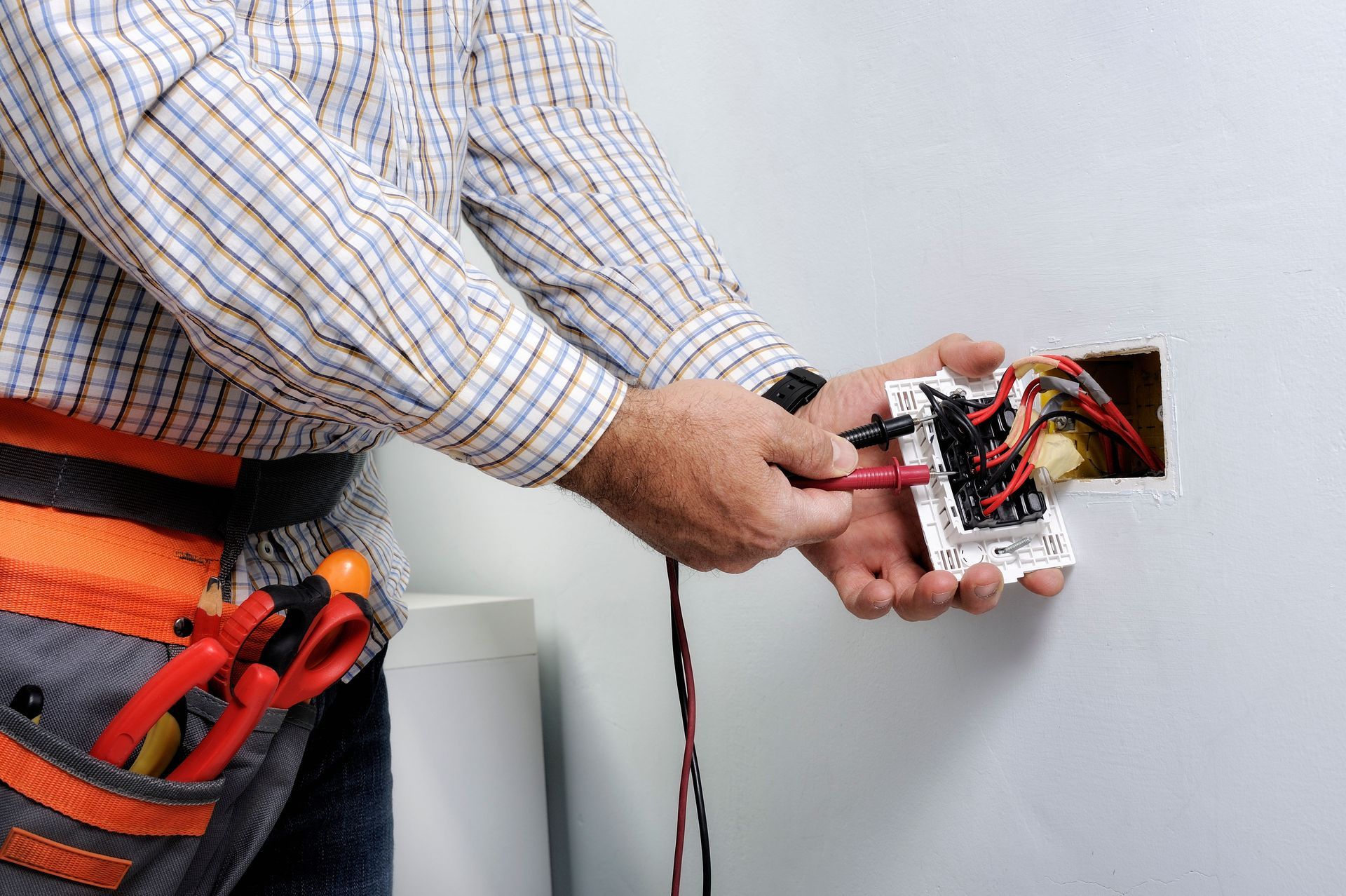
Professional inspections may include appropriate electrical testing to evaluate outlet functionality. Identifying problems early allows property managers to schedule necessary repairs before equipment performance or workplace productivity suffers.
Assessing Modern Electrical Needs
Businesses increasingly depend on sophisticated technology, specialized machinery, and additional electrical devices. Older electrical infrastructure may not adequately support these changing demands.
Experienced commercial electrician companies can evaluate existing outlets and circuits to determine whether improvements are appropriate. Upgraded infrastructure can support dependable equipment operation and help businesses accommodate future electrical requirements.
3. Extending Electrical System Lifespan
Identifying Normal Wear
Electrical outlets and associated components experience wear through repeated use. Over time, receptacles may develop loose contacts, damaged connections, or other conditions that affect their performance.
Regular inspections help identify deterioration before it contributes to more extensive electrical problems. Addressing worn components can protect surrounding infrastructure and support the continued reliability of the overall system.
Evaluating Aging Wiring
Older commercial buildings may contain wiring that no longer meets current operational needs or applicable electrical requirements. Aging insulation, deteriorated connections, and previous modifications can create additional concerns.
Professional electricians evaluate accessible electrical components and recommend further investigation when necessary. Updating deficient wiring can improve safety and help the system accommodate modern business operations.
Planning Preventive Maintenance
Preventive maintenance allows businesses to address electrical concerns before they become emergencies. Rather than waiting for an outlet to fail, property managers can schedule inspections and repairs based on equipment conditions.
Working with qualified commercial electrician companies helps establish practical maintenance priorities. This approach supports long-term system reliability while reducing the potential for disruptive electrical failures.
4. Protecting Employees and Customers
Evaluating GFCI Protection
Ground-fault circuit interrupters, commonly called GFCIs, help protect people against certain electrical shock hazards. These devices are particularly important in locations where electrical equipment may encounter moisture.
Professional electricians can evaluate whether GFCI protection is required and functioning appropriately. Proper protection contributes to safer conditions in commercial kitchens, bathrooms, outdoor areas, and other applicable locations.
Assessing AFCI Protection
Arc-fault circuit interrupters, or AFCIs, are designed to detect certain dangerous electrical arcing conditions and interrupt affected circuits. These protective devices can help reduce fire risks when installed in appropriate applications.
Electrical inspections can include evaluating existing AFCI protection and determining whether additional protection is required or beneficial. Recommendations depend on the building's electrical configuration and applicable codes.
Addressing Damaged Outlets
Cracked outlet covers, loose receptacles, discoloration, and unusual odors can indicate electrical problems. These warning signs deserve professional attention, especially in high-traffic commercial environments.
Our team encourages property managers to report suspicious outlet conditions and arrange qualified electrical evaluations. Damaged outlets should not remain in service until their safety has been assessed and necessary repairs completed.
5. Supporting Electrical Code Compliance
Reviewing Applicable Requirements
Commercial electrical installations must satisfy applicable safety codes and local regulations. Requirements can vary depending on building use, location, electrical equipment, and the nature of proposed improvements.
Professional inspections help identify conditions that may require corrective action. Reliable commercial electrician companies understand the importance of evaluating installations against applicable requirements rather than assuming older systems remain suitable.
Documenting Inspection Findings
Accurate maintenance records help property managers track electrical concerns, completed repairs, and recommended improvements. Documentation also supports communication between building owners, maintenance personnel, and electrical contractors.
Professional inspection findings can provide useful information for future renovations, maintenance planning, and required evaluations. Organized records make it easier to monitor recurring issues and establish appropriate repair priorities.
Correcting Identified Deficiencies
When an inspection reveals unsafe or noncompliant conditions, qualified professionals can recommend appropriate corrective work. Depending on the problem, this may involve replacing damaged outlets, repairing wiring, or modifying circuit protection.
Addressing deficiencies promptly helps protect building occupants and maintain dependable operations. Certain electrical improvements may also require permits or inspections by the appropriate local authority.
6. Managing Long-Term Maintenance Costs
Preventing Unexpected Repairs
Electrical failures can interrupt business activities, damage equipment, and create unplanned expenses. Problems involving overheated connections or deteriorating outlets may become more extensive when left unresolved.
Routine inspections help businesses identify developing issues and arrange repairs before failures occur. Although inspections cannot prevent every electrical problem, they provide opportunities to reduce avoidable disruptions.
Prioritizing Necessary Improvements
Not every electrical concern requires the same response. Some conditions present immediate safety hazards, while others involve aging equipment or future capacity limitations.
Experienced commercial electrician companies can help property managers distinguish urgent repairs from longer-term improvements. This information supports responsible budgeting without delaying necessary safety corrections.
Preparing for Future Expansion
Commercial facilities often change as businesses grow, introduce new equipment, or modify their layouts. These changes can increase electrical demand and expose limitations in existing outlets or circuits.
Professional assessments help determine whether current infrastructure can support planned improvements. At Buttner Electric LLC, we believe proactive electrical planning helps businesses maintain safer, more reliable facilities while preparing for future needs.
Schedule Professional Electrical Services With Buttner Electric LLC
Regular electrical outlet inspections are an important part of commercial property maintenance. They help identify fire and shock hazards, improve electrical reliability, support code compliance, and guide responsible maintenance decisions. Addressing electrical concerns early can also minimize interruptions and protect valuable equipment.
At Buttner Electric LLC, we understand that businesses depend on safe electrical systems to operate efficiently. When comparing commercial electrician companies, property owners should prioritize professional expertise, thorough evaluations, and dependable service. Contact Buttner Electric LLC to discuss your commercial electrical needs and learn how professional inspections can help protect your property, employees, and customers.