October 29, 2026
Electric vehicle charging has become increasingly visible across the United States. Chargers now appear at highway stops, shopping centers, workplaces, parking garages, hotels, apartment communities, and other destinations. At the same time, many EV owners are adding dedicated equipment at home so everyday charging does not depend entirely on public infrastructure.
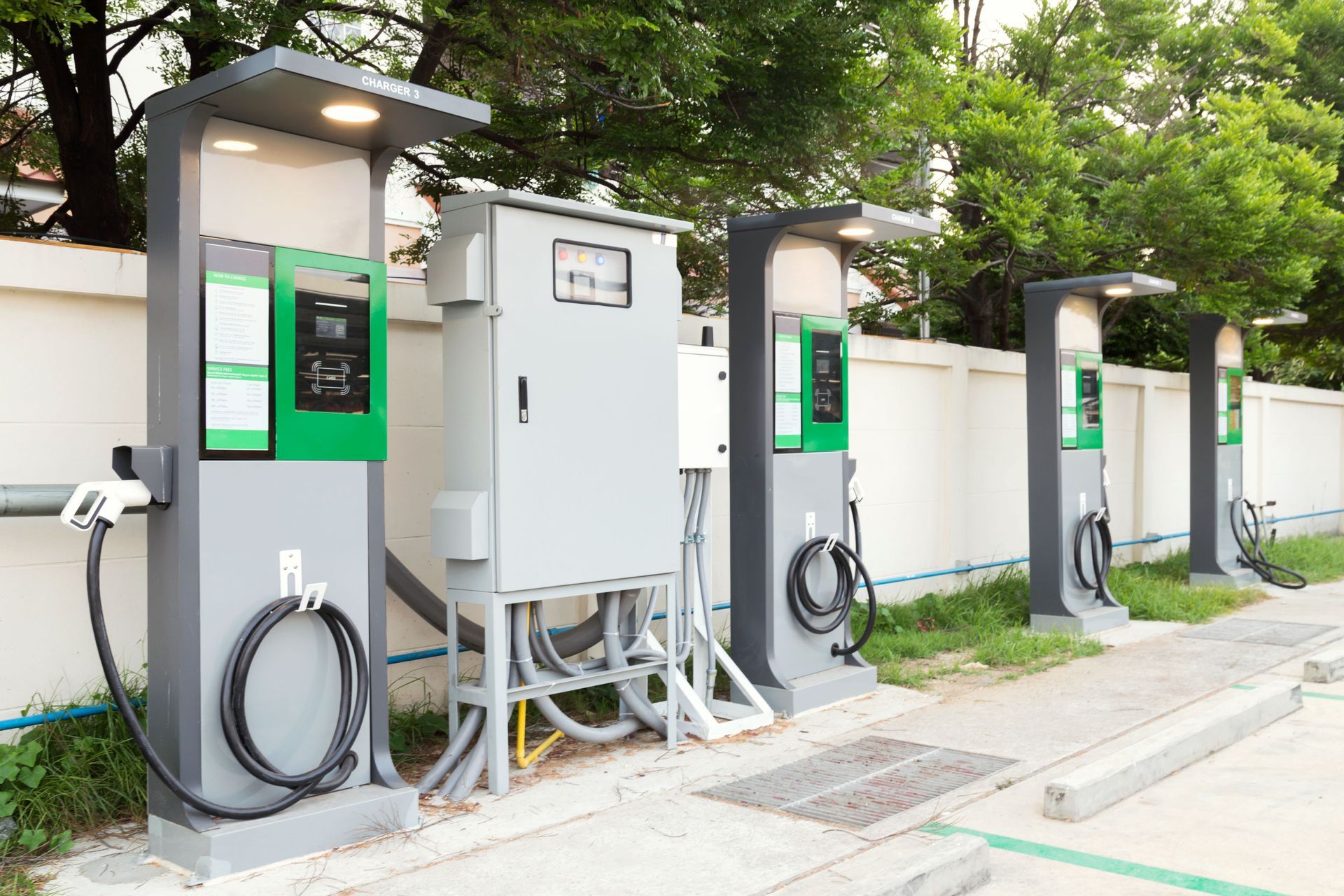
The scale of public growth is significant. According to Argonne National Laboratory, the United States had more than 210,000 publicly available EV chargers at more than 76,000 charging stations as of February 2025. Argonne also reported that nearly 1,000 new public chargers were coming online each week. As the charging network expands, home ev charger installation services are becoming another important part of the broader EV infrastructure.
Public Charging Is Becoming Easier to Find
Public charging helps make electric vehicles practical beyond a driver's normal daily routine. Chargers at workplaces, retail destinations, travel corridors, and other public locations give drivers more opportunities to add range when they are away from home.
Argonne's figures show how quickly that network has expanded. More than 210,000 public chargers spread across more than 76,000 stations represent a substantial national footprint, while the addition of nearly 1,000 chargers per week illustrates continued deployment.
Not every charger provides the same experience. Charging speed, vehicle compatibility, location, pricing, and availability can vary. Even so, continued expansion means more communities and travel routes can support drivers who need to charge away from home. Public infrastructure is therefore one piece of a larger system rather than the only answer to EV charging needs.
Different Charging Levels Serve Different Needs
EV charging is commonly discussed in terms of Level 1, Level 2, and DC fast charging. These options serve different purposes and require different electrical equipment.
Level 1 charging generally uses a standard household outlet and is the slowest option. It can be workable for drivers with limited daily mileage, but the amount of range added over several hours may not fit every household's schedule.
Level 2 equipment uses a higher-voltage circuit and can provide substantially faster charging. This type is common in homes, workplaces, and public locations. Buttner Electric LLC includes Level 2 installations among its home ev charger installation services for customers in the Williamsburg, Virginia, area and the Richmond metro area.
DC fast charging serves a different role. It is designed for much faster charging and is commonly associated with public locations and travel corridors rather than typical residential installations.
Home Charging Complements the Public Network
A larger public charging network does not eliminate the usefulness of home charging. The two serve different situations. Public stations can support trips, longer drives, people without convenient residential charging, and times when additional range is needed away from home. A residential charger can handle routine charging where the vehicle is already parked for long periods.
For many EV owners, that can mean plugging in after arriving home and allowing the vehicle to charge while it is not being used. The arrangement can reduce how often routine daily charging requires a separate stop.
Home ev charger installation services can also help homeowners determine whether their existing electrical system is prepared for the equipment they want to install. The charger itself is only one part of the project; the circuit and electrical capacity supplying it matter as well.
Residential Electrical Systems May Need Evaluation
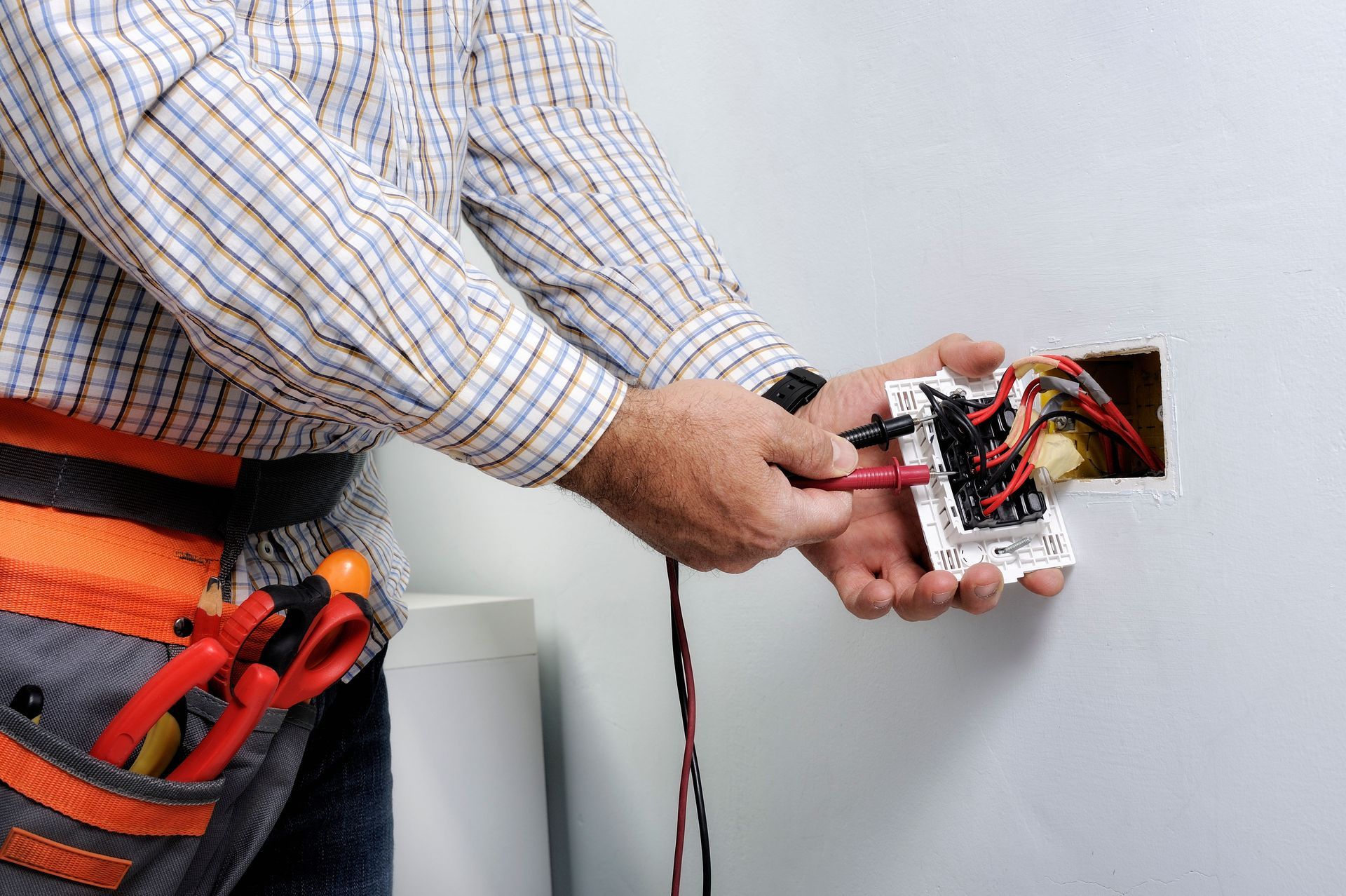
Installing a home charger is not simply a matter of selecting a convenient wall and mounting equipment. The home's electrical system needs to support the charger's requirements. Existing panel capacity, circuit configuration, charger specifications, and installation location can influence the scope of the project.
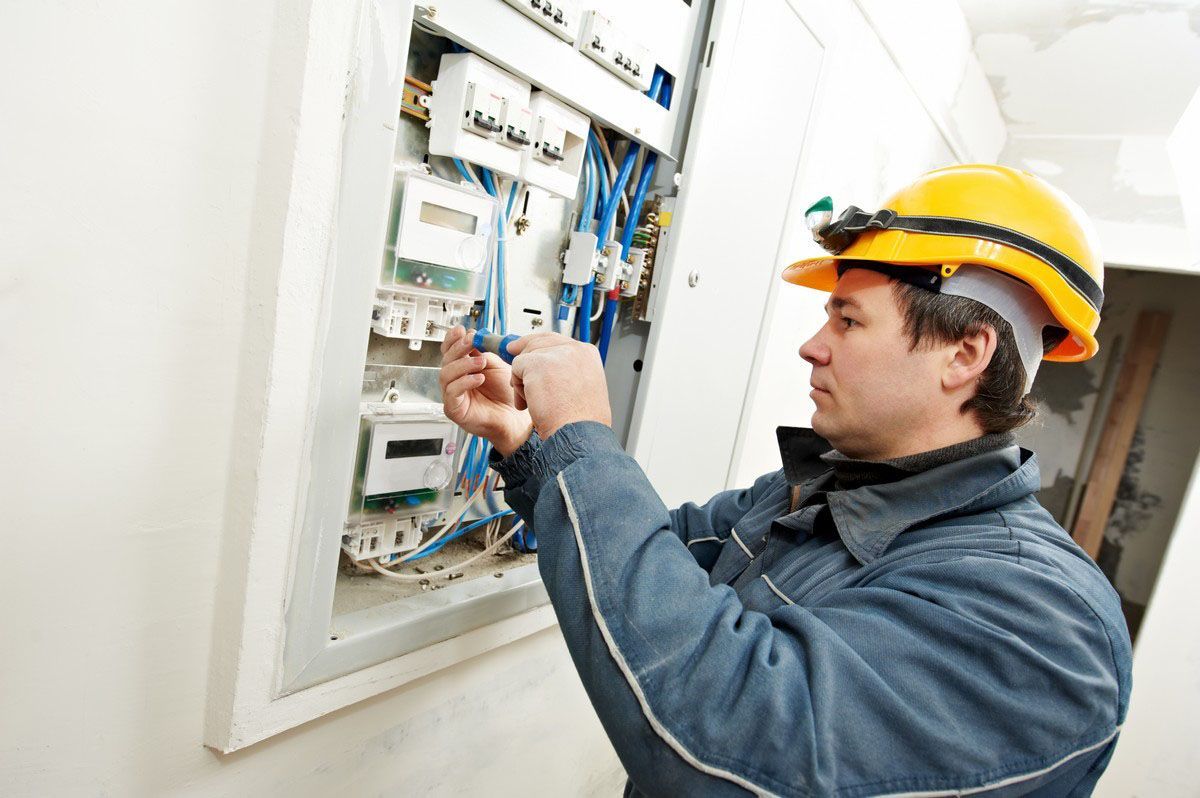
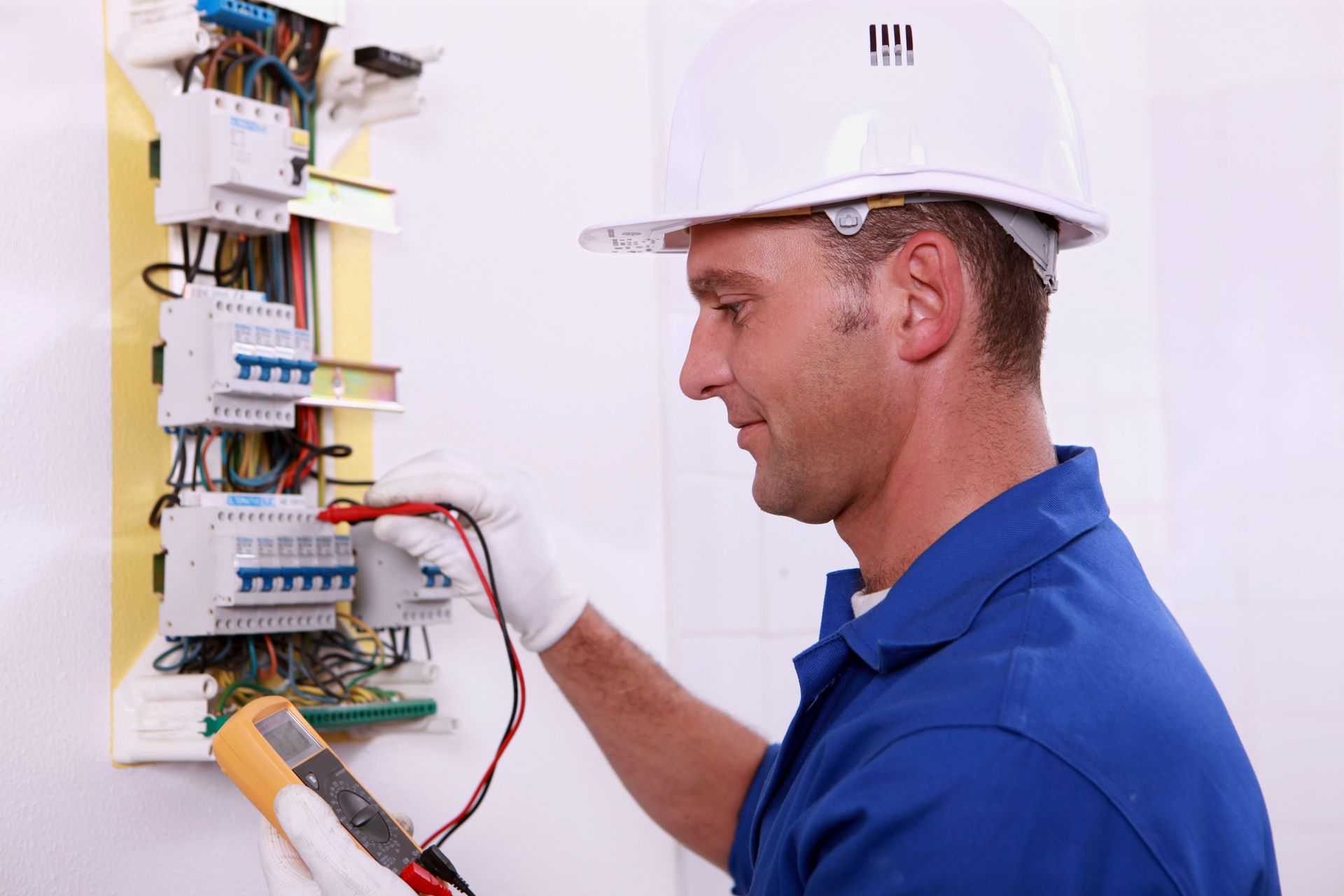
Buttner Electric states that its residential EV charging work can include electrical panel upgrades, dedicated circuit installations, charger compatibility checks, and assistance with permit acquisition. The company evaluates the home's electrical infrastructure before completing the installation.
This evaluation is important because homes vary considerably. An older electrical panel may present different considerations from a newer system with available capacity. Likewise, a charger installed in a garage may involve a different wiring route from equipment placed near an outdoor driveway. Professional home ev charger installation services can account for those differences rather than treating every property identically.
Location Matters for a Home Charger
Where a charger is installed can affect daily convenience. The location should take into account where the vehicle normally parks, where its charge port is positioned, and how the charging cable will reach the vehicle without creating unnecessary obstacles.
Indoor and outdoor installations can also involve different equipment and placement considerations. A garage may provide a protected mounting location, while driveway charging may require equipment and electrical components appropriate for exterior conditions.
Buttner Electric provides consultations to help homeowners evaluate charger placement in relation to their daily routines and electrical system. Planning can also simplify future upgrades. Planning the location before installation can also reduce the likelihood that cables regularly cross walking areas or that the charger is inconveniently positioned when a different vehicle is parked at the property.
Public Growth Is Expanding Commercial Opportunities Too
The rapid increase in charging infrastructure is not limited to homes. Businesses, workplaces, multifamily properties, parking facilities, and other commercial locations can add charging equipment to serve employees, customers, tenants, visitors, or vehicle fleets.
As more public chargers appear, electrical contractors are increasingly involved in the infrastructure behind those stations. Commercial projects can have different power, equipment, site, and usage requirements from residential installations, making electrical planning an important part of deployment.
Buttner Electric provides both residential and commercial EV charger installation. The company has served the Williamsburg area since 2006 and operates as a locally owned Class A contractor. Its broader electrical services allow charger projects to be considered alongside related electrical work when upgrades are necessary.
Home Charging Can Fit Into a Daily Routine
One of the practical differences between gasoline fueling and EV charging is that charging can happen while a vehicle is parked. For homeowners with appropriate electrical access, that creates the possibility of making charging part of an existing routine rather than treating every recharge as a separate errand.
A Level 2 charger can be especially useful for households whose driving needs exceed what a standard outlet can comfortably replenish between trips. The appropriate equipment still depends on the vehicle, daily mileage, available electrical capacity, and charging goals.
Home ev charger installation services can help translate those factors into an installation plan. Buttner Electric reviews the home's electrical system, recommends charging options, and completes installations for homeowners seeking dedicated residential charging equipment.
Charging Infrastructure Is Becoming Part of the Electrical Landscape
Argonne's February 2025 figures provide a clear snapshot of the pace of change: more than 210,000 public chargers, more than 76,000 charging stations, and nearly 1,000 additional public chargers coming online each week. Those numbers demonstrate how rapidly EV charging has become part of transportation infrastructure across the country.
Public charging will remain important for travel and drivers who cannot charge where they live. At the same time, residential charging gives homeowners another way to support everyday EV use. These two parts of the network can grow together rather than competing with one another.
For homeowners in Williamsburg, the surrounding area, and the Richmond metro area, Buttner Electric LLC offers home ev charger installation services that include Level 2 chargers, dedicated circuits, panel upgrades when needed, compatibility checks, and permit assistance. As charging options continue expanding nationwide, properly planned residential electrical infrastructure can help EV owners make charging fit more naturally into life at home.