October 20, 2026
Finishing a basement can create valuable living space, but the electrical system requires careful planning before construction begins. A basement may become a bedroom, home office, entertainment area, guest space, or multipurpose room, and each use can have different electrical requirements. Working with qualified electrician companies early in the renovation helps ensure that the electrical design accounts for current needs, safety requirements, and potential future upgrades. A professional assessment can also help determine whether the existing electrical panel has enough capacity for the additional circuits and equipment.
Assessing the Electrical Needs
The first step is determining how the finished basement will be used. A home theater may require dedicated circuits for entertainment equipment, while a home office could need additional outlets and data connections. A basement bedroom may have different lighting, outlet, and safety requirements. Electrical planning should also account for appliances, heating and cooling equipment, laundry areas, sump pumps, and other systems that may operate in the basement. Considering these requirements before construction begins can reduce the need for disruptive changes later. Electrician companies can evaluate the anticipated electrical load and develop a layout that distributes power appropriately throughout the space. This planning helps reduce the possibility of overloaded circuits and ensures that outlets, switches, lighting, and other components are positioned for practical use.
Designing the Layout
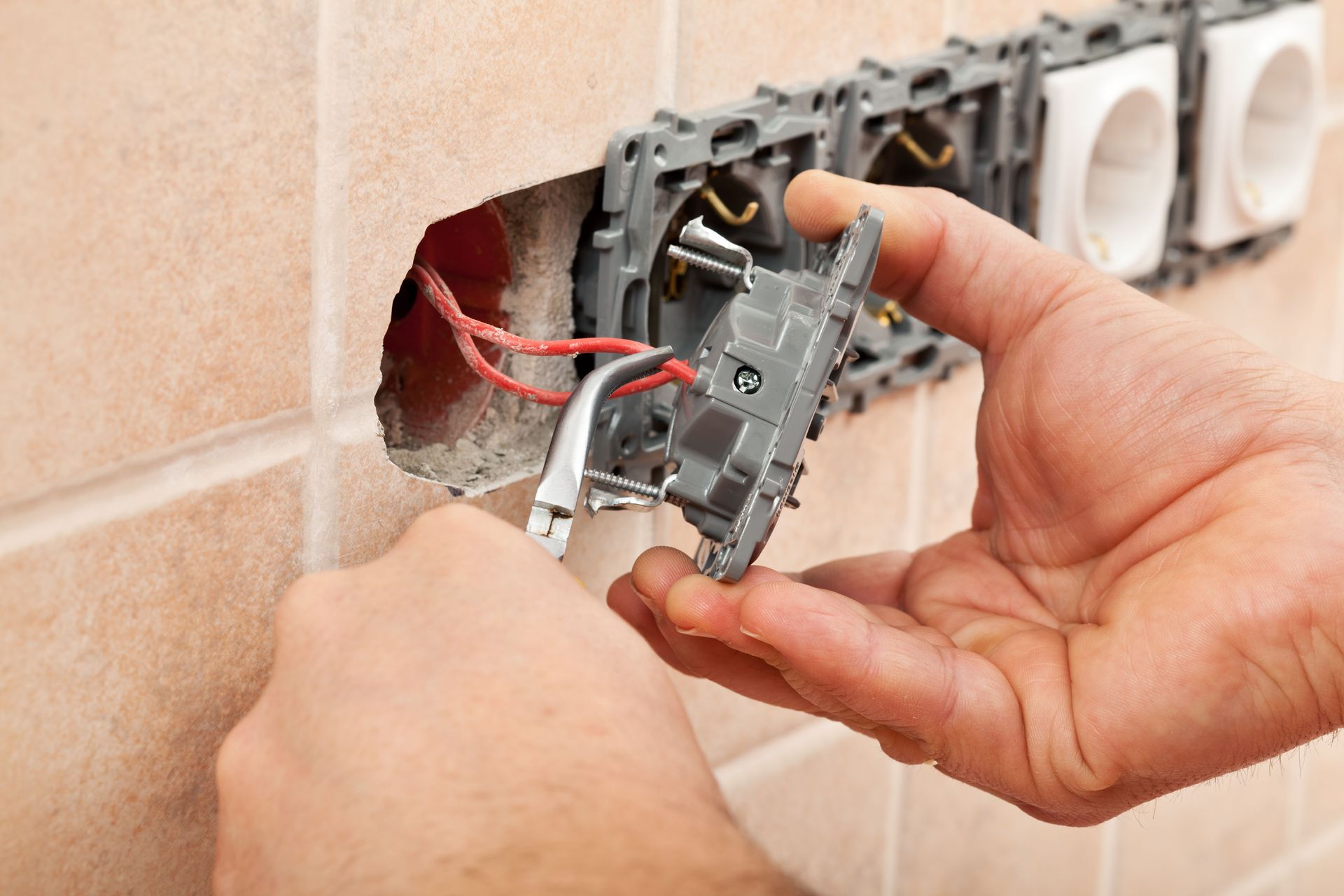
Outlet and switch placement should be based on the room's intended function and furniture arrangement. Adequate outlets can reduce reliance on extension cords while making it easier to use electronics and appliances.
Lighting also deserves careful consideration. Basements often receive limited natural light, so a combination of general, task, and accent lighting may be appropriate. Recessed fixtures, ceiling lights, wall lighting, and dimmer controls can provide flexibility depending on how the room will be used.
Planning for future technology is another important consideration. Additional circuit capacity, strategically placed outlets, and provisions for future equipment can make the finished basement easier to update as household needs change.
Following Electrical Codes and Permit Requirements
Basement electrical work must comply with applicable electrical and building requirements. The National Electrical Code provides widely used standards for electrical installations, while local jurisdictions may impose additional requirements.
Permits may be required depending on the scope of the renovation and local regulations. Inspections can also be part of the process, helping verify that the completed electrical work meets applicable requirements.
Experienced electrician companies can help homeowners understand which permits and inspections apply to their project. Addressing these requirements before work begins can prevent delays, unexpected expenses, and problems during a future home sale or renovation.
Choosing Appropriate Electrical Components
Electrical components should be selected according to the basement's environment and expected electrical demand. Wiring, breakers, outlets, switches, lighting fixtures, and other equipment need to be appropriately rated for their intended application.Basements can present moisture-related concerns, particularly around laundry areas, utility rooms, plumbing fixtures, and exterior walls. Electrical equipment in areas where moisture may be present may require additional protection.
Circuit breakers should also be properly matched to the electrical system. Depending on the location and application, AFCI and GFCI protection may be required to provide additional protection against electrical hazards.
Managing Circuit Capacity
A finished basement can add a significant electrical load to a home's existing system. Entertainment equipment, computers, appliances, lighting, heating equipment, and other devices can place additional demands on electrical circuits.
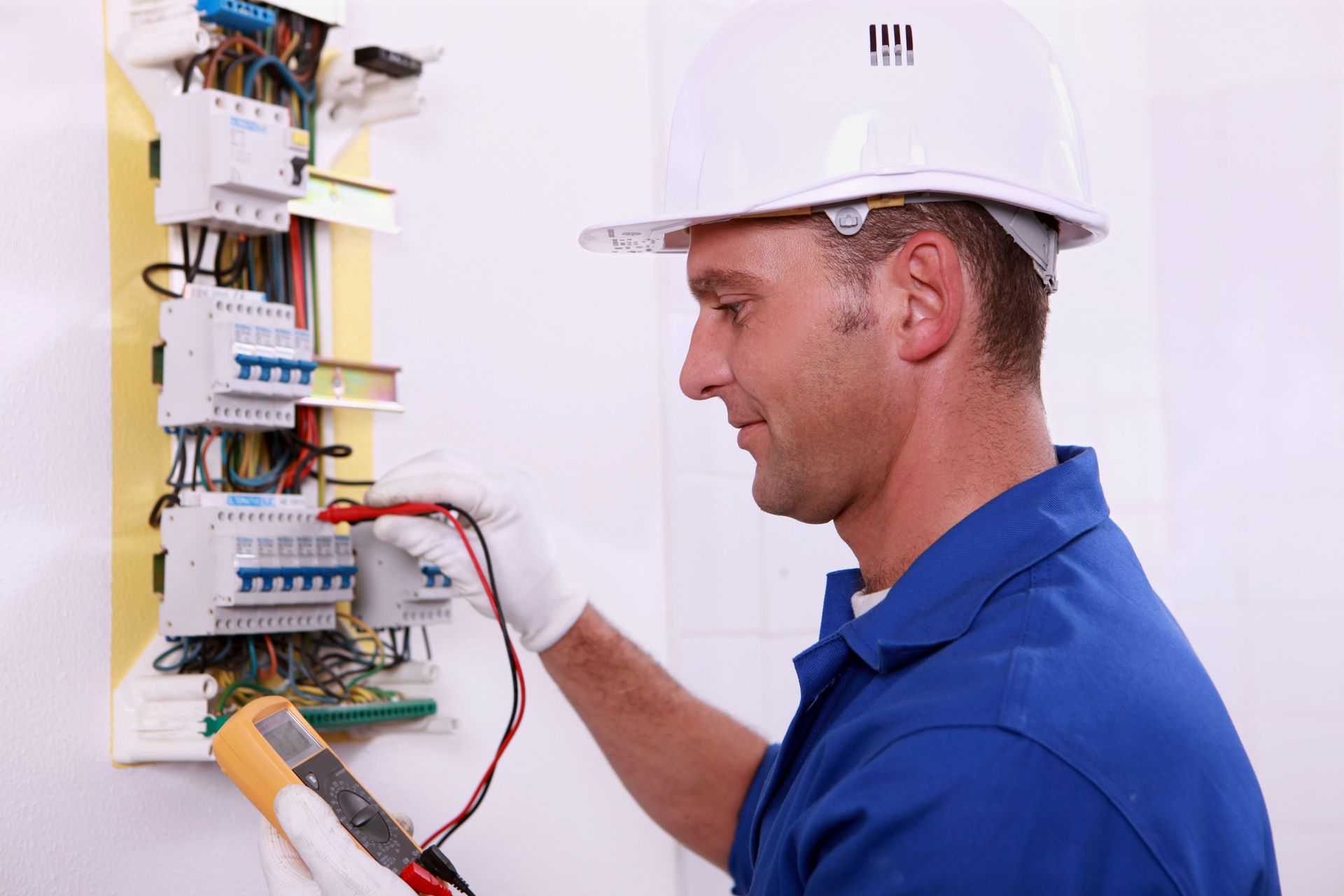
Electrician companies can assess the existing panel and determine whether additional circuits or other system changes are necessary. Proper load distribution can reduce nuisance breaker trips and help prevent excessive stress on electrical components.
Electrical safety is particularly important because home electrical problems can have serious consequences. According to the Electrical Safety Foundation International, there are 51,000 home electrical fires each year. Careful planning, proper installation, and professional inspections can help address potential electrical hazards.
Addressing Basement Moisture
Moisture is one of the primary environmental concerns associated with basement electrical systems. Water intrusion, condensation, and elevated humidity can affect electrical components and contribute to corrosion or other problems.
Before electrical work is completed, the basement should be evaluated for known moisture problems. Areas affected by leaks or water intrusion may require correction before electrical components are installed. Electrical installations should also account for areas where water may be present. GFCI protection is particularly important around applicable wet or damp locations, including certain laundry and utility areas.
Incorporating Safety Features
Safety devices should be considered as part of the overall electrical design. Depending on the layout and local requirements, these may include GFCI protection, AFCI protection, smoke alarms, carbon monoxide alarms, and appropriate emergency lighting. Smoke and carbon monoxide alarms should be positioned according to applicable requirements and the configuration of the finished space. Emergency lighting can also improve visibility if the power goes out, particularly around stairs and exit routes. Professional electrician companies can evaluate how these safety features should work with the rest of the home's electrical system. Coordinating them during the planning stage can create a more comprehensive approach to basement safety.
Protecting Wiring From Damage
Electrical wiring needs protection from physical damage, moisture, and other environmental concerns. Basements can contain exposed mechanical equipment, storage areas, utility systems, and structural elements that may affect how wiring is routed. Professional installation helps ensure wiring is properly supported and protected according to applicable electrical requirements. This is particularly important in unfinished areas that may remain accessible after the renovation.
Rodents can also damage electrical wiring by chewing on insulation. Addressing pest entry points and having damaged wiring evaluated by a qualified professional can help protect the electrical system.
Connecting the Basement to the Electrical System
Adding a finished basement to an existing electrical system requires careful consideration of the home's overall capacity. Depending on the project's requirements, additional circuits or a subpanel may be appropriate.
The electrical connection must be compatible with the existing service and panel. Professionals can determine how new circuits should be arranged and whether the home's existing electrical infrastructure can support the additional demand.
Planning Lighting and Controls
Lighting can have a major effect on how comfortable and functional a finished basement feels. A layered lighting plan can provide general illumination while also supporting specific activities.
For example, brighter task lighting may be appropriate for a home office or hobby area, while adjustable lighting can provide flexibility in an entertainment space. Efficient LED fixtures can also reduce energy consumption compared with older lighting technologies.
Preparing for Smart Technology
Modern basements may include smart lighting, entertainment systems, security devices, network equipment, or automated controls. Planning for these technologies during the renovation can help avoid unnecessary electrical changes later.
Electrician companies can incorporate additional outlets, dedicated circuits, and appropriate wiring provisions where needed. This approach provides greater flexibility as technology and household needs evolve.
Smart electrical features should still be installed and configured according to applicable safety requirements. Convenience should complement, rather than replace, proper electrical planning.
Maintaining the Finished System
Once the basement is complete, professional inspections and maintenance can help identify electrical problems before they become more serious. Warning signs such as repeated breaker trips, flickering lights, damaged outlets, unusual odors, or unexplained power interruptions should receive prompt attention.
Keeping records of permits, inspections, electrical upgrades, and major repairs can also be useful. Documentation provides a history of the work and may be valuable during future renovations or a property sale.
Planning for Future Electrical Upgrades
Electrical needs can change as a household adds appliances, technology, or new uses for the basement. Designing with future requirements in mind can make later upgrades easier. A professional electrical assessment can identify available capacity and potential limitations. This can help homeowners understand what the system can accommodate and whether additional improvements may eventually be necessary. Rather than focusing only on the immediate renovation, long-term planning can make the finished basement more adaptable and functional. A finished basement should provide comfortable, useful space without compromising electrical safety. From determining circuit requirements and planning outlet locations to addressing moisture concerns and coordinating safety features, professional electrical planning can make the renovation more reliable. Buttner Electric LLC can help homeowners evaluate their electrical needs and plan professional electrical services for basement renovations and other residential projects. Contact Buttner Electric LLC to discuss the electrical requirements for your finished basement and determine the appropriate next steps for the project.