October 26, 2026
Electrical problems can develop behind walls, inside outlets, or within electrical panels, making them difficult to recognize before they become dangerous. Damaged wiring, overloaded circuits, and failing electrical components can generate excessive heat or sparks that ignite nearby materials. Understanding how these malfunctions contribute to home fires helps homeowners recognize warning signs and take preventive action. Regular inspections, appropriate electrical upgrades, and prompt repairs can reduce avoidable hazards. Knowing when to seek professional assistance is especially important because seemingly minor electrical issues can indicate deeper problems that require careful evaluation.
Identify Common Causes of Electrical Fires
Electrical fires can begin when electrical systems generate excessive heat, produce sparks, or allow current to flow where it should not. Damaged insulation, loose connections, deteriorating components, and faulty equipment can create conditions that increase the risk of ignition. When these problems occur near combustible materials, a small malfunction can develop into a serious household emergency.
According to the National Fire Protection Association, electrical malfunctions or failures were responsible for thirteen percent of home structure fires and ranked as the second most common cause of residential fires in the United States. This finding highlights the importance of maintaining electrical systems and addressing potential hazards before they escalate.
Electrical problems do not always produce immediate flames or visible smoke. Sometimes, heat builds gradually within a damaged connection or overloaded circuit until surrounding materials become hot enough to ignite. Recognizing this possibility encourages homeowners to take unusual electrical behavior seriously instead of waiting for obvious damage to appear.
Recognize Warning Signs Around Outlets
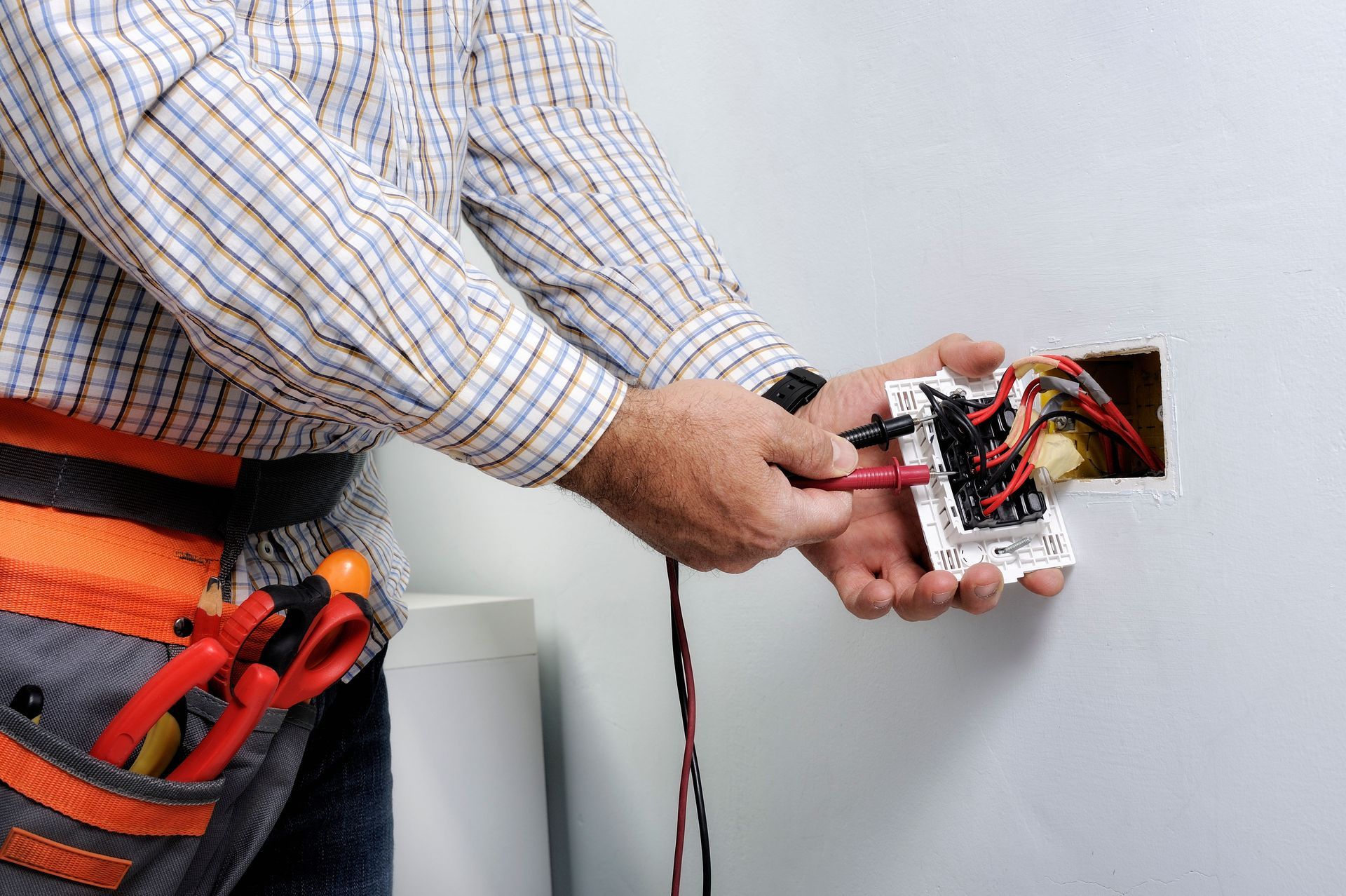
Outlets and switches can reveal problems that are not immediately visible elsewhere in the electrical system. Scorch marks, discoloration, buzzing sounds, and unusual warmth may indicate loose connections, damaged components, or excessive electrical resistance.
Frequent breaker trips, flickering lights, and burning odors also deserve attention, particularly when several symptoms occur together. Although individual issues can have different causes, repeated electrical irregularities warrant professional evaluation. Avoid using an outlet that shows signs of overheating or damage, and never attempt to investigate internal wiring while the circuit is energized. If smoke or active sparking occurs, leave the area and contact emergency services.
Pay attention to whether electrical problems appear repeatedly in the same location. An outlet that intermittently stops working, a switch that produces unusual sounds, or lights that flicker when an appliance starts may indicate an underlying issue. Keeping track of these observations can help a professional identify patterns and investigate the affected circuit more effectively.
Prevent Overloaded Circuits and Connections
Overloaded circuits occur when electrical demand exceeds what a circuit can safely support. Running multiple high-demand appliances through the same circuit or relying on extension cords for permanent power can increase the likelihood of overheating. Power strips do not increase a circuit's capacity, and connecting several strips together can introduce additional hazards.
Homeowners should distribute electrical loads appropriately and use outlets designed for their intended applications. Appliances that require dedicated circuits should receive them according to applicable electrical codes and manufacturer specifications. If breakers trip repeatedly during ordinary use, avoid repeatedly resetting them without identifying the cause. A qualified professional can evaluate the circuit, determine whether the electrical demand is appropriate, and recommend necessary corrections.
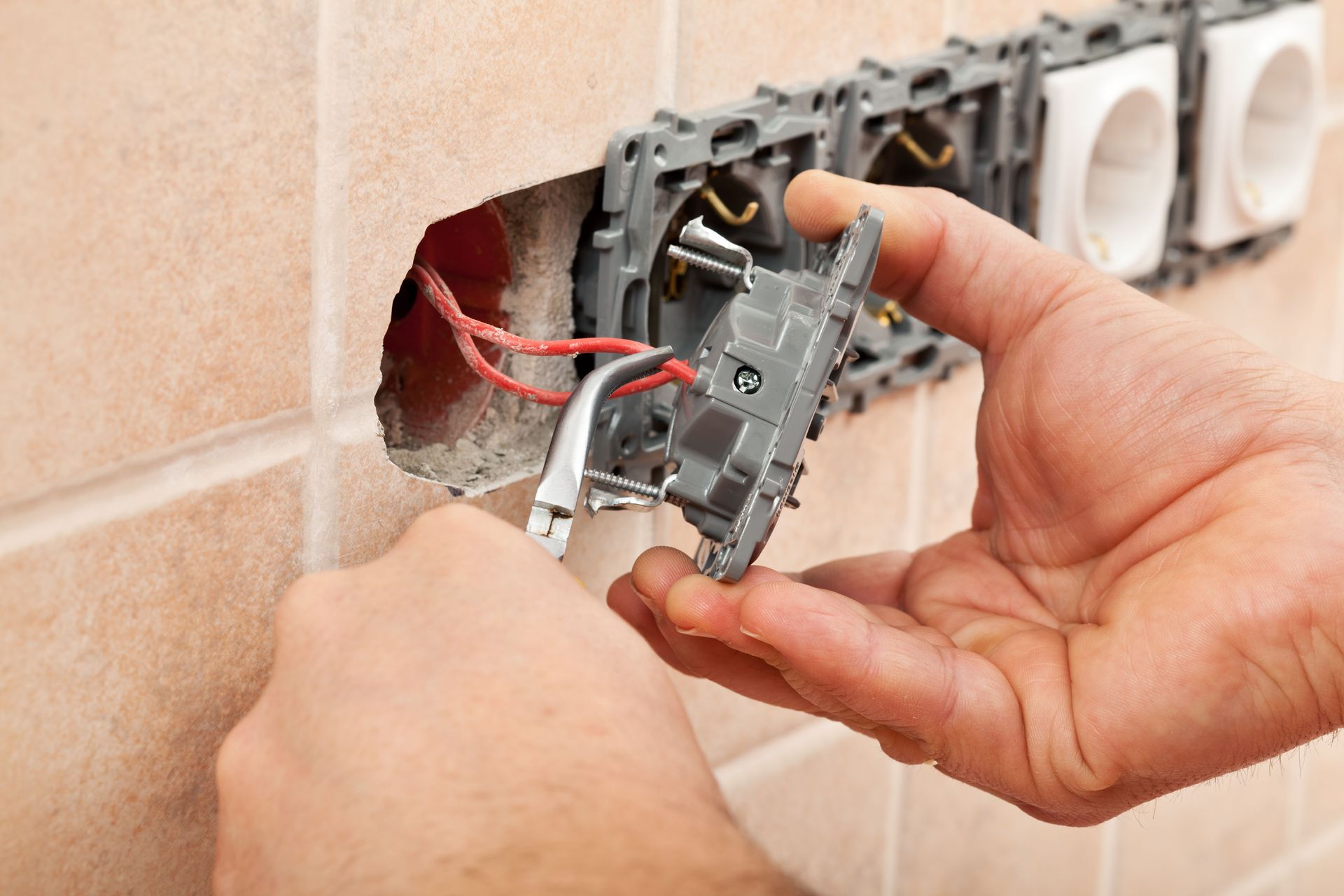
Loose electrical connections can create another serious hazard. When conductors do not maintain proper contact, electrical resistance can generate heat, potentially damaging surrounding components. These problems may develop inside outlets, switches, junction boxes, or electrical panels without obvious external signs.
Avoid attempting makeshift repairs or using adapters to work around recurring power problems. Experienced electrician companies can evaluate circuit conditions and recommend appropriate solutions, including correcting connections, redistributing electrical loads, or installing additional circuits when necessary.
Maintain Wiring and Electrical Panels
Wiring can deteriorate because of age, physical damage, improper installation, moisture exposure, or interference from pests. Damaged insulation may expose conductors, increasing the potential for short circuits, arcing, or contact with surrounding materials. Older homes may also contain electrical systems that no longer adequately support modern household demands.
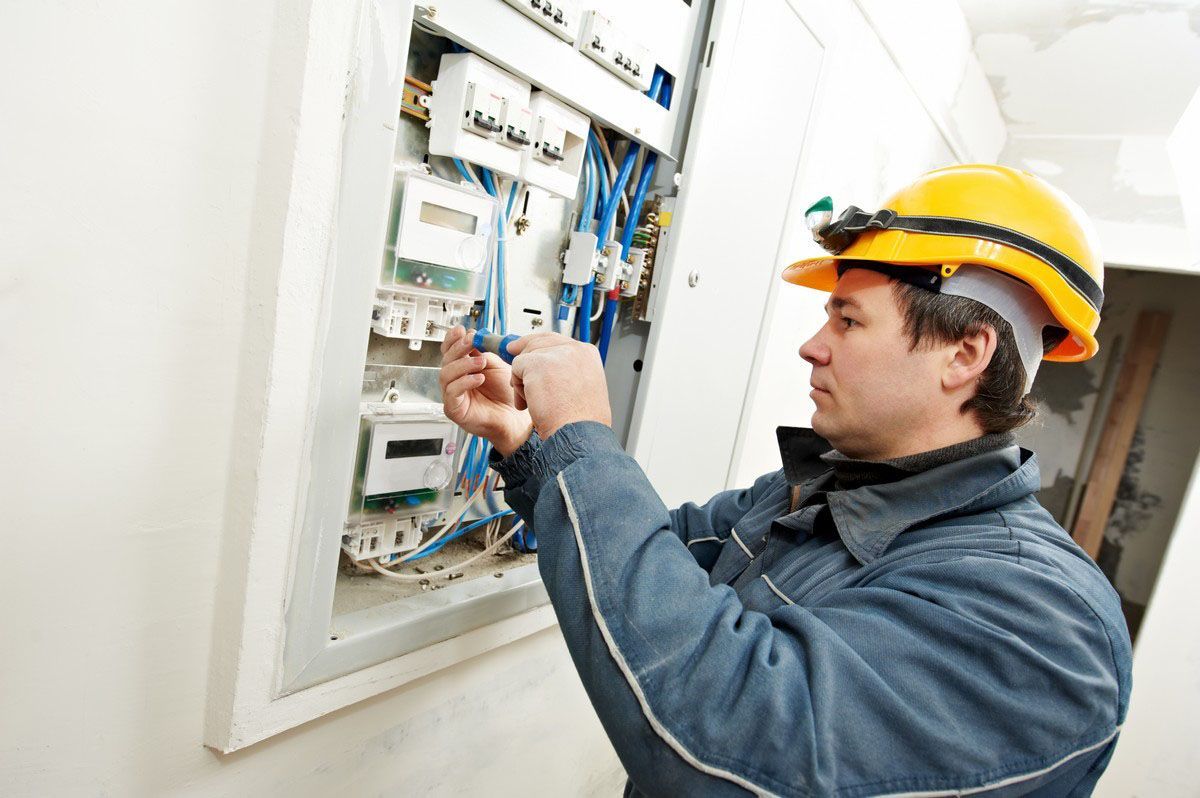
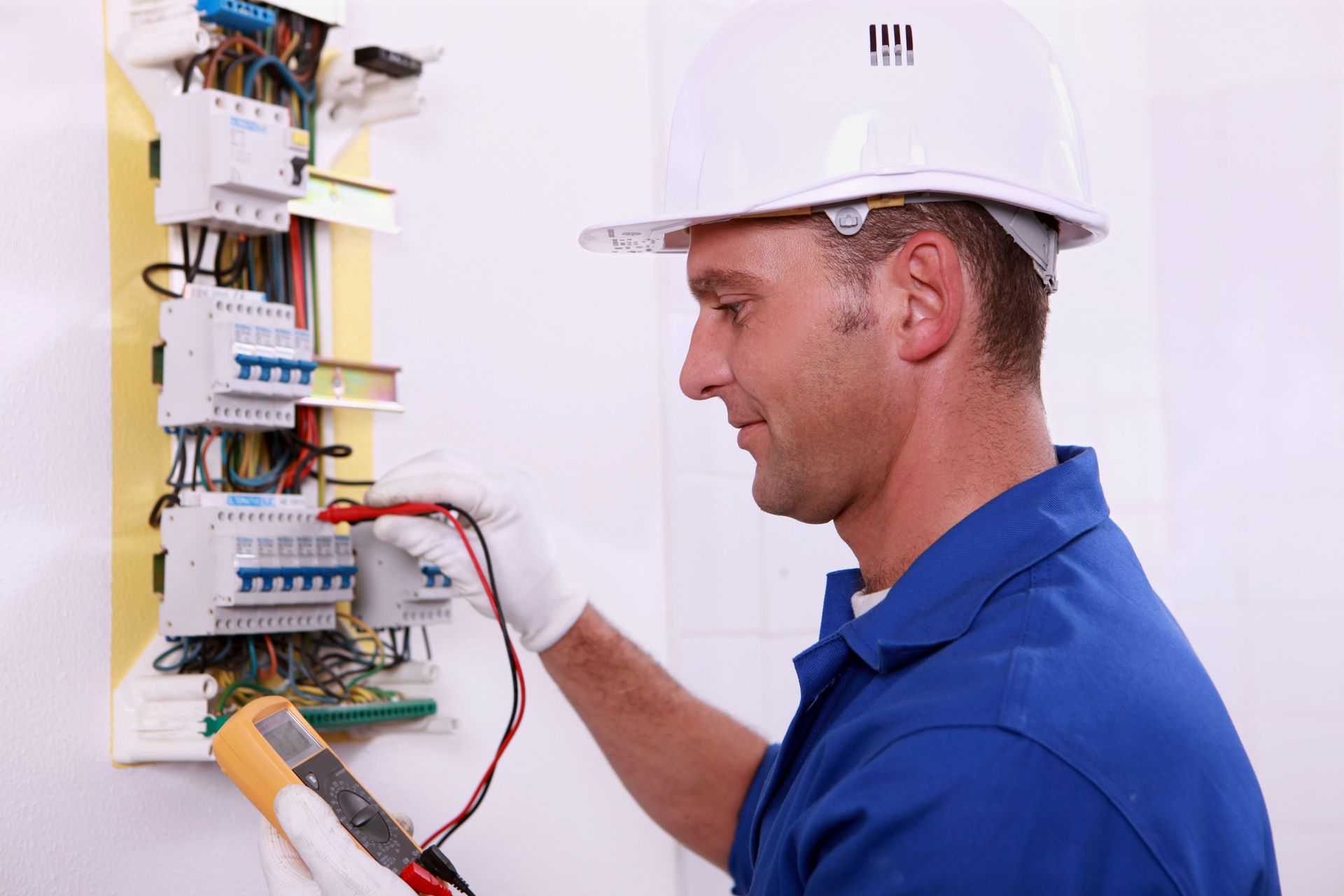
Electrical panels require attention because they distribute power throughout the home and contain protective devices intended to interrupt unsafe conditions. Persistent breaker problems, visible corrosion, unusual sounds, or evidence of overheating should prompt professional assessment. Homeowners should never remove panel covers or attempt internal repairs themselves.
Renovations and new appliances can also change a property's electrical requirements. Adding equipment without evaluating available capacity may place additional demands on existing circuits. Before undertaking major improvements, homeowners should discuss planned changes with a qualified professional who can determine whether upgrades or modifications are appropriate.
Professional inspections can help identify visible deterioration, improper installations, and other conditions that warrant further investigation. Depending on the circumstances, repairs may involve replacing damaged components, improving circuit protection, or updating outdated equipment.
Practice Safe Appliance and Equipment Use
Appliances, chargers, heating equipment, and other electrical devices can become fire hazards when damaged, misused, or operated contrary to manufacturer instructions. Frayed cords, cracked plugs, exposed conductors, and unusual operating temperatures are warning signs that equipment may no longer be safe. Damaged items should be taken out of service rather than temporarily repaired with improvised materials.
Placement also matters. Lamps, heaters, and other heat-producing devices need appropriate clearance from curtains, bedding, paper, and furniture. Avoid running cords beneath rugs or placing heavy objects over them, as pressure and friction can damage insulation.
Portable heaters and other high-demand appliances deserve particular attention because they can draw substantial power while operating. Follow the manufacturer's instructions, connect equipment only to suitable power sources, and avoid using damaged extension cords or unsuitable adapters. Unplug equipment when appropriate and never leave malfunctioning devices in operation simply because they still appear functional.
Homeowners should also pay attention to product recalls and manufacturer safety notices. A device that develops unusual heat, produces a burning odor, or repeatedly interrupts power should be disconnected when it is safe to do so and evaluated or replaced.
Schedule Inspections and Improve Fire Safety
Electrical inspections can help uncover developing problems before they cause equipment damage or threaten household safety. An inspection may assess wiring conditions, outlet functionality, panel components, grounding, circuit protection, and whether the system appears appropriate for the property's electrical needs.
Homeowners should consider professional evaluations after renovations, when purchasing an older property, or when adding equipment that substantially increases electrical demand. When comparing electrician companies, look for appropriate licensing, relevant experience, clear estimates, and familiarity with local electrical codes.
Everyday safety measures provide another layer of protection. Keep combustible materials away from electrical equipment, inspect visible cords periodically, and avoid overloading outlets. Smoke alarms should be installed in appropriate locations, tested regularly, and maintained according to manufacturer recommendations and local safety guidance.
Household members should understand how to respond when an electrical emergency occurs. Never use water on an electrical fire because it can conduct electricity and create additional danger. If a fire develops, evacuate immediately and contact emergency services from a safe location. Do not reenter until authorities confirm that it is safe.
Protecting a home from electrical fires starts with recognizing hazards and responding before minor issues become serious problems. Do not ignore burning smells, damaged outlets, repeated breaker trips, or other electrical warning signs. Contact Buttner Electric LLC to discuss your home's electrical concerns and arrange professional attention that can help address hazards and protect your property.